Five Key Takeaways
- Let passion drive your programming. Events created around team and member passions attract energy and attendance.
- Community insights spark better ideas. Listening closely helps surface real-time needs and interests.
- Create signature events, but stay flexible. Consistency builds trust, but it’s okay to evolve or retire events too.
- Structure events to protect staff energy. Strategic planning and partner involvement prevent burnout.
The topic was irresistible: “Creating Events People Want to Attend.”
With over 70 coworking folks joining the live Coworking Convos call, (while juggling lunch, emails, phone calls, and member chats), it’s clear this hit close to home.
Low turnout events are nothing short of demoralizing for the team. They drain resources, sap morale, and make you question your strategy.
But as host Cat Johnson opened the conversation, she reminded everyone: “What you’re doing is important and necessary. You are part of the solution.”
The episode brought together four seasoned operators: Rebecca Pan, Dr. Tammira Lucas, Tim Hasse, and Jen Luby. Each offered real talk and tested strategies on how to plan, host, and evolve events that actually work.
If your team cares, members will too
 Rebecca Pan, founder of Trellis in San Francisco, set the tone early: “It is all about passion.”
Pan and her team host events they’re genuinely excited about, from podcasting mixers to social justice meetups. “You’ve got to come to this event!” is the vibe she wants her team to feel when promoting something.
But she’s also clear-eyed about what doesn’t work. Karaoke and movie nights? Tried them. “We would sing, and there would be, like, two other people,” she laughed. “We did that for six months. Turns out… no.”
When a team member with a film studies background championed a podcasting networking night, it landed. “We had Emmy-nominated speakers. People came from across the Bay. Some booked our podcast studio that night.”
Takeaway? Let your team’s excitement lead, but be willing to pivot when your community isn’t into it.
Events don’t have to be big, but they have to be right
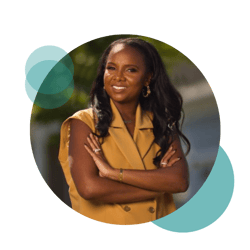 Dr. Tammira Lucas, co-founder of The Cube Cowork, knows events are a strategic necessity. With a large event space and a mission to support women and mothers, she’s built programming that reflects both.
“Slow and steady always wins the race,” Lucas said. “When we first started our monthly event series ‘Growth Beyond Me,’ we had 15 to 20 people. Now we’re consistently at 40 to 50, with new people every time.”
Lucas emphasized the importance of mixing business with fun: Mother’s Day teas, Breakfast with Santa, and even a Trouble board game tournament (“Don’t ask how we got into Trouble,” she laughed).
It’s all intentional. “We’re very strategic. We don’t overload the calendar. We focus on consistency and quality.”
Her approach proves that relevance and rhythm matter more than scale.
Not all events are created equal
 Tim Hasse of General Provision, with three locations in South Florida, has been in the coworking events game since 2014. After years of burnout-level effort, he brought discipline to his event strategy with what he calls the “Three Ps”:
- Private – Paid bookings that keep the lights on.
- Produced – Fully internal, mission-aligned events led by the team.
- Partnered – Collaborations that balance effort and amplify reach.
This simple structure helps his team plan sustainably and set expectations. “When it’s produced, we know it’s all on us. When it’s a partner event, we assess: are we doing 70% or 30% of the lift?”
He also enforces a 30-day minimum for any event with a budget: “We need time to market, plan, and execute. If we can’t do that, we move it to next month.”
Beyond frameworks, Hasse leans into creativity—backgammon socials, coffee and beats DJ nights, and intimate balcony supper clubs are all part of his rotation. “It’s not always about big turnouts. Intimacy can be the real magic.”
Don’t be afraid to kill your darlings
 Jen Luby, founder of Dayhouse Coworking, with locations in the Chicago suburbs, has built her event strategy around member input.
“We used to run a series called Kitchen Chats, based on what members were talking about—like caring for aging parents,” Luby shared. “We'd find the three people talking about it, schedule around them, and others would follow.”
For her, the best events are small, low-lift, and soul-feeding. “Five people having a real conversation? That’s a win.”
Her advice: start with what the members are already discussing, ask them directly when they’re free, and build around that interest.
But even successful events can lose steam. “Don’t be afraid to shelve something if attendance drops. We paused our happy hours and will relaunch with margaritas on the patio this summer.”
Flexibility is part of sustainability.
Strategic planning prevents last-minute chaos
All four operators stressed the importance of planning ahead. At Trellis, Pan hosts an annual team planning dinner every November to map the year’s calendar, event themes, and timelines. “Why are we panicking every year when we already know we’re going to do this?”
These planned events are slotted 3–6 months out and reviewed weekly, helping the team stay ahead without burnout.
Luby echoed this with the value of having a repeatable system: “Even a checklist counts. If you’re doing the event every month, there shouldn’t be surprises.”
Budget doesn’t need to break you
When it came to costs, the group had clear guidance:
- Pan spends around $500/month on recurring member events: weekly Tea Time and happy hours, plus a monthly lunch.
- Larger signature events like holiday parties are budgeted between $1,000–$1,500.
- Lucas recommends in-kind partnerships and sponsored services—especially for wellness or educational programming.
- Hasse uses event categories to guide budget allocation and expected ROI.
And don’t overlook marketing. “Write a FOMO post,” Luby suggested. “Share pictures, tag members, say, ‘You don’t want to miss this next time!’”
If this Convo proved anything, it’s that coworking events succeed when they’re born from passion, purpose, and people-first thinking.
There’s no one-size-fits-all formula—but there are common threads:
- Ask your members what they want.
- Follow the energy.
- Be consistent but nimble.
- Respect your team’s limits.
- Build feedback loops into your systems.
Whether you're serving rose matcha lattes in San Francisco or hosting Trouble tournaments in Baltimore, the goal is the same: create belonging through moments that matter.
 Coworking Convos is a monthly virtual event series hosted by Cat Johnson. Each month, a different topic is presented by guests with real experience, who are subject matter experts and walk the walk in the coworking and flex space industry.
Coworks is a partner of Coworking Convos and the Content Creators Lab, and we have the privilege of sharing these dispatches afterward — spotlighting the juicy tidbits and powerful takeaways shared in the hour-long conversation.
But by no means does this replace the real value of being there! Check out the next Convo and be in the room when it happens.