You post, you share, you celebrate your members. But here's the honest truth: your page's reach has a ceiling, and it's probably lower than you'd like.
That's where local influencers come in. These are people in your community with an engaged following, a recognizable voice, and real influence over the decisions of exactly the kind of people you want walking through your door.
But how do you find them, approach them, work with them, and figure out what actually makes sense to measure?
Social media is notoriously hard to pin down. But showing up consistently in the feeds of your target audience? That compounds over time. And local influencer partnerships are one of the most genuine ways to make it happen.
|
A note on measurement: social media ROI is real, but it's often slow and indirect. Clicks, reach, and saves matter — but so does brand awareness you can't easily quantify. Think of influencer content as part of being present and top of mind, not just a lead-gen channel.
|
What is a local influencer, really?
It’s not about million-follower accounts. For a coworking space, a local influencer is anyone with a meaningful, trusting relationship with an audience in your market. That could mean:
- A freelance designer with 2,000 Instagram followers who regularly posts about work-life in your city
- A business blogger who covers the local startup scene
- A popular LinkedIn voice in your metro's tech or creative community
- A podcast host who interviews local entrepreneurs
- A TikToker who makes content about remote work and productivity
- A local journalist with an active social presence
The key is not the number so much as the fit. A niche creator with 1,500 loyal local followers can drive more qualified traffic to your space than a lifestyle influencer with 50,000 followers spread across the country.
Influencer size tiers at a glance
|
Tier
|
Follower range
|
What they're good at
|
Compensation
|
|
Nano
|
1K–10K
|
Hyper-local, authentic, high engagement
|
Barter / free pass / small gift
|
|
Micro
|
10K–50K
|
Local reach, niche credibility, engaged community
|
Barter or modest paid fee ($100–$500)
|
|
Mid-tier
|
50K–250K
|
Broader reach, semi-professional, polished content
|
Paid ($500–$2,500+); negotiate deliverables
|
|
Macro+
|
250K+
|
Broad awareness; likely not local-focused
|
Typically $2,500+; often not worth it for local spaces
|
Where to find local influencers
Start with what's already around you. You probably know more local influencers than you think.
Start with your own community
- Look at your current and past members: who is posting about their work, their city, their industry?
- Check who has tagged your space or location in their posts
- Notice who gets a lot of likes and comments in your local Facebook or LinkedIn groups
- Pay attention to who speaks at local meetups or hosts workshops
Search on the platforms themselves
- Instagram: Search your city name + keywords like "remote work," "entrepreneur," "small business," or your industry niche. Check the location tag for your neighborhood or business district.
- LinkedIn: Use the People search filtered by location and keywords. Look for "Top Voices" in your metro.
- TikTok: Search your city name or local hashtags. Sort by "Most Liked" to surface creators with real traction.
- YouTube: Search "[your city] entrepreneur" or "[city] freelancer" to find local video creators.
Use dedicated discovery tools:
|
Tool
|
What it does
|
Cost
|
Link
|
|
Modash
|
Search by location, niche, audience demographics. Strong for Instagram, TikTok, YouTube.
|
Free trial; paid from ~$99/mo
|
Visit →
|
|
Heepsy
|
Filter by location, engagement rate, category. Good for nano/micro discovery.
|
Free tier; paid from ~$49/mo
|
Visit →
|
|
SparkToro
|
Find where your audience hangs out online — podcasts, social accounts, newsletters.
|
Free limited; paid from $50/mo
|
Visit →
|
|
Creator.co
|
Marketplace connecting brands with influencers; opt-in model so creators are receptive.
|
Free to browse; fees on campaigns
|
Visit →
|
|
Grin
|
Full influencer CRM with discovery, outreach, and tracking. Better for ongoing programs.
|
Paid; contact for pricing
|
Visit →
|
|
Upfluence
|
Large database with audience analytics. Good for filtering by city.
|
Paid; contact for pricing
|
Visit →
|
|
#Paid
|
Creator marketplace; good for finding mid-tier talent open to paid work.
|
Paid; contact for pricing
|
Visit →
|
|
Instagram Search
|
Use location tags and hashtags — free and surprisingly effective for nano/micro.
|
Free
|
Visit →
|
|
Pro tip: Before paying for a tool, spend an hour doing manual hashtag and location searches on Instagram and TikTok. For many coworking spaces, you can build a solid list of 10–15 local prospects for free.
|
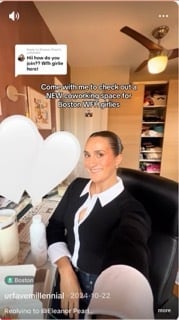
What to look for and look out for
💚 Green lights: what makes a good local partner
- Their audience is actually in your city or region (check their follower locations if they share media kits, or look at comment patterns — local slang, local brands being mentioned)
- Their engagement rate is healthy. For nano/micro creators, 3–8%+ is good. For mid-tier, 1.5–3% is normal. High follower counts with low engagement is a red flag.
- Their content topics naturally connect to work, entrepreneurship, creativity, productivity, or local community
- Their tone and aesthetic match your brand — you want their audience to find the partnership believable
- They respond to comments and actually interact with their followers
- They've worked with local businesses before and handled it authentically
🚩 Red flags: slow down or pass
- Suspiciously round follower numbers or sudden spikes in followers (possible purchased followers)
- Lots of followers, almost no comments — or comments that look generic or bot-like ("Great post!" "So inspiring!")
- Their audience is primarily outside your region — geography matters enormously for a local business
- They've posted sponsored content that feels jarring or incongruent with their regular voice
- No media kit, no rates, no clear sense of what they offer — not necessarily a dealbreaker for nano creators, but worth noting
- They're already partnered with a competing coworking space
Ask yourself: if I were a freelancer in this city and I followed this person, would I trust their recommendation of a coworking space? That question cuts through a lot of noise.
How to reach out
The worst thing you can do is send a cold DM that screams "brand collab opportunity." Creators get those constantly, and they're tuned out immediately.
Instead, build a bit of a relationship first. Engage with a few of their posts genuinely: leave a thoughtful comment, share their work if it's relevant. Then when you reach out, you're not a complete stranger.
The outreach message: keep it human
When you do reach out (DM for Instagram/TikTok, email or LinkedIn for more professional contacts), keep it short and specific. Here's a framework:
|
Sample outreach message
Hey [Name], I've been following your content on [platform] for a while and I really loved your recent post about [specific thing]. It landed for me.
I manage [Space Name], a coworking space in [neighborhood/city]. We work with a lot of freelancers, remote workers, and small teams. Sounds like your community. I'd love to explore whether a partnership could make sense for both of us, whether that's a free day pass to come experience the space, hosting an event here, or something else entirely.
No pressure at all, just thought it was worth a conversation. Would you be open to a quick chat?
|
What makes this work: it's specific, it leads with their value, it offers options rather than a scripted ask, and it's low-pressure.
Barter vs. paid: what to offer
- Free day passes or a short-term membership — great for nano/micro creators who work remotely
- Free event space for their workshop, meetup, or podcast recording
- Free meeting room credits
- A monetary fee for a specific deliverable (one Instagram Reel, three Stories, a LinkedIn post)
- A combination: a small fee plus a membership discount
Be clear about what you're asking for in return. Ambiguity about deliverables leads to frustration on both sides.
Put the basics in a simple written agreement even for informal partnerships — what they'll post, how many times, what approvals you need, and any exclusivity terms.
Content ideas that actually work
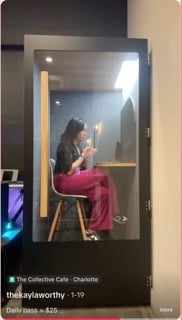
The best influencer content feels native — like something the creator would post anyway, with your space as the natural backdrop. Avoid content that looks like an ad. Here are formats that tend to land well:
"Day in my life" content
The creator spends a day at your space and documents it naturally — getting coffee, settling in, working through their to-do list, meeting someone interesting. This is gold because it shows the experience without selling it.
Before-and-after productivity stories
"I used to work from my kitchen table. Here's what changed when I started going to a coworking space." Personal transformation stories drive engagement and speak directly to your target audience's pain points.
"Best place to work in [City]" roundups
Local bloggers and content creators often do these city guides. Getting featured in one of these — even without a formal partnership — is worth actively pitching. If you have a relationship with a creator, you can suggest they include your space.
Event coverage
If you host workshops, panels, or networking events, invite a local creator to attend or co-host. Event content creates natural opportunities for multiple posts — promotion before, live coverage during, recap after.
Member spotlight collaborations
A creator who is also a member can document their work and give you user-generated content. A photographer who shoots at your space, a podcaster who records there, a designer who creates there — their content about their work is indirectly your content.
Honest reviews
Some creators prefer full editorial independence — they'll come experience the space and write/share their honest take. This can feel riskier, but authentic reviews (including minor critiques) are often more trusted than polished sponsored posts. If your space is good, lean into this.
Short-form video tours
Instagram Reels and TikToks showing the physical space, the vibe, the people, the amenities. Keep these under 60 seconds. Aesthetic walkthroughs perform well in the coworking and workspace niche.
|
Content tip: Give creators creative latitude. Provide a brief — here's what makes us special, here's who we serve, here's the one thing we'd love you to mention — and then trust them. Over-scripted content kills authenticity.
|
What to measure and what to let go of
Here's the hard part.
A lot of what influencer marketing does for you will never show up cleanly in a spreadsheet. Someone sees a post, thinks "huh, I should check that out," forgets about it, sees your space mentioned again two weeks later in a different context, and then books a tour. That chain of events is real, you just can't trace it.
That said, there are things worth tracking:
- Reach and impressions on the creator's post (ask them to share these, or request access to the campaign metrics if using a platform)
- Profile visits to your Instagram or LinkedIn after a post goes live
- Link clicks if the creator includes a trackable link (use UTM parameters on any links you provide)
- New followers gained in the days following the post
- Direct messages or inquiries that mention the creator or say "I saw your post"
- Website traffic from social referral sources around the post date (check Google Analytics)
- Tour bookings or trial day requests — ask new leads how they heard about you
What you probably can't measure cleanly: brand awareness lift, word-of-mouth that stems from the post, or the compounding effect of repeated low-level visibility. These are real. They just don't live in dashboards.
Be honest with yourself about expectations. A single influencer post is rarely a conversion event. It's a visibility event. If you're building relationships with 3–5 local creators who post about your space 2–3 times a year each, you're building something meaningful — even if the ROI report looks thin.
Useful resources and platforms
The FTC requires influencers to disclose paid partnerships. Make sure your partners know to add #ad, #sponsored, or #partner to any paid posts. This protects them and you.
For anything beyond a free pass barter, use a simple written agreement. You can find templates on DocuSign, PandaDoc, or sites like Influencer Marketing Hub (influencermarketinghub.com).
For learning and staying current
- Influencer Marketing Hub (influencermarketinghub.com) — benchmark reports, templates, and guides; their annual State of Influencer Marketing report is a useful read
- Later Blog (later.com/blog) — practical social media strategy content including influencer tactics
- Creator Economy newsletter by Simon Owens — good for keeping up with how the creator landscape is shifting
Working with local influencers is not a shortcut. It takes time to find the right people, build relationships, and figure out what kind of content resonates with your community. Some partnerships will be home runs. Some will fizzle.
But the spaces that grow sustainably are almost always the ones that are visible, trusted, and talked about in their communities. Influencer partnerships — done authentically, at the right scale, with the right people — are one of the best ways to make that happen without a massive ad budget.
Start small. Find two or three local creators who genuinely align with your space and your members. Offer them something real. Let them tell your story in their own words.
That's how word spreads.